



Detailed Explanation of Standards and Requirements for Baby Walkers (16 CFR Part 1216/CPC)
1. What is a Baby Walker (16 CFR Part 1216)
A baby walker is a mobile device that allows a child sitting or standing in the walker to move on a horizontal surface when the child pushes.
II. Purpose of the Infant Walker Standard
This standard aims to minimize the risk of death and injury associated with the use of infant walkers, particularly safety hazards related to falling down stairs, falling between floors, or tipping over.
III. Core Requirements for Infant Walkers
Every infant walker must comply with all applicable provisions of the ASTM F977-12 "Standard Consumer Safety Specification for Infant Walkers," approved on May 1, 2012. The ASTM F977-12/16 CFR Part 1216 standard includes performance requirements, general performance requirements, and labeling requirements specific to infant walkers, mainly as follows:
Prevention of Stair Falls: The walker must not fall down stairs when moving forward, backward, or sideways.
Tipping Prevention: The walker must remain stable on a flat surface and not tip over. This includes tests for resistance to forward and backward tipping, as well as tests for occupant safety when tilting sideways.
4. Additional Requirements for Infant Walkers under the 2008 Consumer Product Safety Improvement Act
Infant walkers must also comply with requirements regarding surface coatings, lead content, testing and certification, registration cards, and tracking labels, as detailed below:
Surface Coating Limit: The lead content in the paint applied to walkers must not exceed 0.009%.
Lead Content Limit: The total lead content in any accessible parts of the walker must not exceed 100 ppm (0.01%).
Testing and Certification: Testing must be conducted by a third-party laboratory recognized by the U.S. Consumer Product Safety Commission to ensure compliance with walker standards and other applicable children's product safety rules. Domestic manufacturers (or importers) must issue a Children's Product Certificate (CPC).
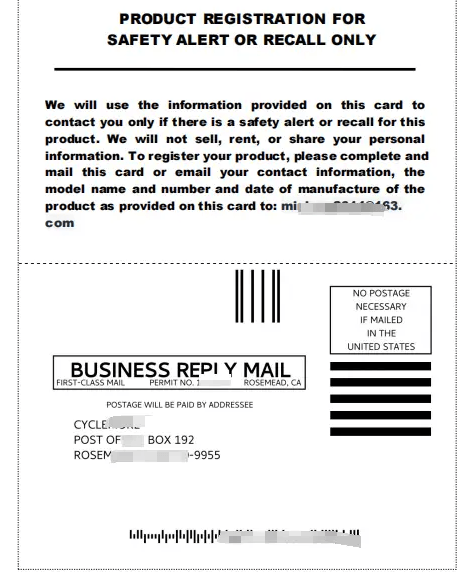
Registration Card: Manufacturers must provide a postage-paid consumer registration card for each product and keep records of registrations. Additionally, the product must have a permanent label indicating the manufacturer’s name and contact information, model name and number, and manufacturing date.
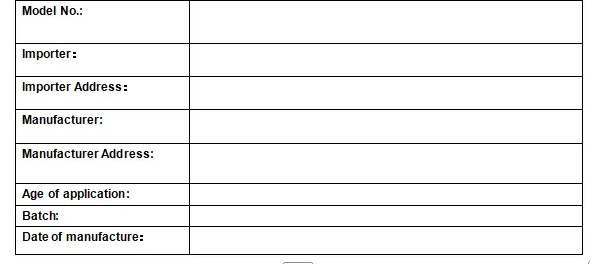
Product Tracking Label: Products and their packaging must have a tracking label (or other distinguishable permanent mark) that preferably serves as a permanent identification mark. The label must include the manufacturer’s (or brand owner’s) name, manufacturing location and date, and information about the product group (such as batch or production number).
Understanding these standards and requirements for baby walkers can help manufacturers and retailers better ensure product compliance and safeguard children's safety.